By Rose (she/her)
Adoptee, 20
From Baoding, Hebei; Living in Charlottesville
For the last couple of years, I’ve been looking for my birth parents. When I was a preteen, I decided to take some DNA tests. This was because I had a seizure when I was 11 years old, and my family and I wanted to know more about my medical history. These DNA tests only matched me with distant cousins. As a preteen, I found these results disappointing because I was hoping for more answers. That’s when I decided to stop looking for my birth parents, at least for the time being.
As I matured, my interest in finding them steadily intensified. During one summer vacation, I revisited my 23andMe results and committed to a more thorough search. I began researching how to begin when I discovered the Nanchang Project. Reading stories from other adoptees seeking their biological families made me realize I wasn’t isolated. Many people shared the same curiosity, fear, and uncertainty I had felt for years.
I am now 20 years old and living in Charlottesville. I attend Piedmont Virginia Community College and work as a SPED autism teacher assistant while babysitting on the side. Between school, work, and my daily obligations, my life stays hectic, but questions about my past linger. Even in ordinary moments, I wonder who my birth parents are and whether they ever think about me.
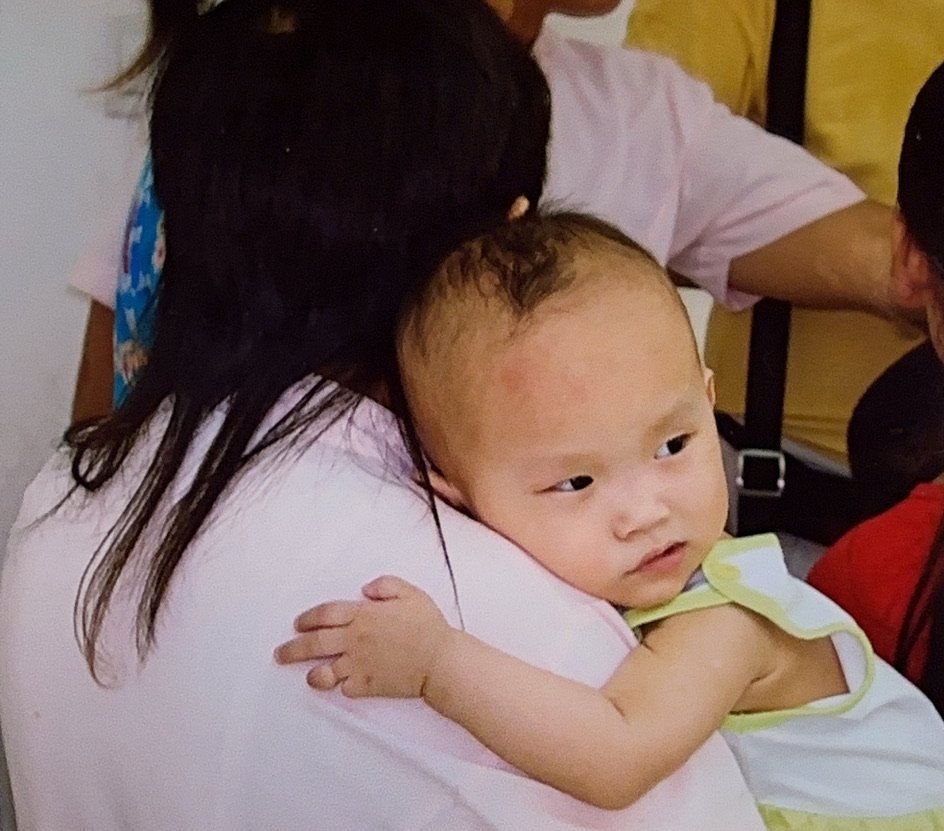
I was adopted at the age of two, yet my story began before that. At five days old, I was left at the radiology staircase in a children’s hospital. A nurse named Ying found me and saved my life. I have spent years reflecting on that event and imagining what it felt like. Sometimes I envision how frightened or desperate my birth parents must have been. Other times, I consider how easily my story could have ended differently had Ying not found me.
Growing up adopted shaped my identity. I am grateful for my life and the opportunities it offers, but some parts of my story are missing. Many people know where they get their features, personality traits, or family medical history Many people know their resemblance, personality traits, or family medical history. I never had those answers. My seizure at 11 underscored the importance of family medical history and showed me how much I still did not know about myself. For a long time, I hesitated to start searching for my birth parents. My greatest fear was never finding them. I worried that, despite all efforts, dead ends and unanswered questions would persist. Sometimes, avoiding the search felt safer than facing potential disappointment.
Another fear I carried was the possibility that they would not like the person I became. I wondered whether they would be proud of me or whether meeting me would bring back painful memories of their decision.Even though I am working hard toward my future by attending college and working with children, a part of me still fears rejection. I think many adoptees struggle with the feeling of wondering whether they were wanted. That fear can stay with you for years, even when you try not to let it.
Another fear was uncovering the reasons for my abandonment. I asked myself painful questions that may never yield answers. Was I given up because I was a girl? Or because I was born with missing fingers? Did fear, poverty, cultural pressure, or something else influence the decision to place me up for adoption?These troubling thoughts challenge my sense of worth, even though I know deep down that my value should not depend on those factors.
At the same time, growing older has helped me better understand the situation. I know there may have been circumstances I cannot fully imagine. My birth parents may have been young, afraid, or unable to provide for me. They may have believed they were giving me a better chance at life, even if the decision caused pain. While these possibilities do not erase the hurt, they remind me that situations are often more complicated than they appear.
The search process is emotional and frustrating. DNA tests offer clues, but rarely answers. Most of my matches are distant relatives, which makes tracing family connections difficult. I spent hours researching family trees, shared DNA percentages, and possible relatives. Each new match gave me hope, but many of those hopes faded when connections proved too distant. There were times I wanted to quit because the process felt endless.
Still, something inside me drives me forward. My determination is fueled by a desire for self-understanding. Searching for my birth parents doesn’t mean replacing the family who raised me or forgetting my current life. It’s about uncovering my origins and finding closure for unresolved parts of my story.
Working as a SPED autism teacher assistant has reshaped my view of family and identity. Being with children every day has taught me patience, empathy, and compassion. I see that every child deserves support, love, and care, regardless of their situation. My work makes me reflect differently on my birth parents. Though I still feel sadness and confusion, I strive to approach their decision with empathy, knowing that people sometimes make painful choices in difficult circumstances.
The Nanchang Project encouraged me because it linked me with stories from other adoptees who shared my emotions. Hearing their experiences reminded me that I am not alone on this journey. Many adoptees wrestle with questions about identity, belonging, and self-worth. Knowing others share these feelings made me feel truly understood. Today, my search continues little by little. Some days, I spend time researching DNA matches or reading stories from adoptees online. Other days, I simply reflect on how far I have already come. Whether or not I ever find my birth parents, this journey has already taught me so much about myself. It has taught me courage, patience, and emotional strength.
In the end, searching for my birth parents is not just about finding people. It is about understanding my story and accepting every part of who I am. Even though the process is emotional and uncertain, I am proud that I finally found the courage to begin the search. For years, fear kept me from seeking answers. Now, even with all the uncertainty, I know that taking this step is an important part of my journey toward understanding myself and my past.
The views expressed in blog posts reflect those of the authors and do not necessarily represent the shared views of Nanchang Project as a whole.
Our blog stories come from readers like you!
We invite you to send us your own story to share. We accept submissions from anyone whose life may have been touched by Chinese international adoption including, but not limited to: adoptees, adoptive families, birth families, friends, searchers.
Details in the link below!