
DNA Tests: Two Kinds
-
There are two types of genetic tests used for finding biological relatives: Autosomal (SNP) test and Paternity (STR) test. In short, autosomal tests can identify relationships as close as parent-child and as distant as cousins, but it is less popular in China. On the other hand, paternity tests are most popular in China but can only accurately confirm parent-child relationships.
Autosomal (SNP) tests include 23andMe, AncestryDNA, MyHeritage, FamilyTreeDNA, 23mofang, and WeGene.
The two paternity (STR) databases we recommend are China’s National Reunion/Police database and Help For Family Reunion (HFFR).
See below for all the details on DNA tests and databases for Chinese adoptees to use.
-
23andMe is the commercial DNA database that has the most Chinese adoptees, so we recommend you start with this one. You might find an adopted sibling or close cousin! Once you have your results, download your raw DNA file to other autosomal (SNP) databases—with GEDmatch being your first priority (it has over 1,200 Chinese birth families). If finances allow, order an AncestryDNA kit so you can enter their database. Read all about the DNA testing and database options below.
We strongly suggest considering giving your blood at a police station if you are ever in China, or use Nanchang Project’s mail-in assistance program, so you can enter China’s National Reunion/Police Database. Further details can be found here.
If you have a paternity (STR) lab report (from a lab like LabCorp), you can upload it for free to Help For Family Reunion (HFFR)’s database.
-
In early 2022, Nanchang Project successfully tested the accuracy of matching families in GEDmatch.com using 23mofang (for birth relatives) and 23andMe and AncestryDNA (for adoptees). Since then, we have exclusively been testing birth families with a compatible autosomal (SNP) testing company. We are able to send a DNA kit to birth relatives in any part of China and upload the results to GEDmatch. All adoptees need to do is upload their DNA file from 23andMe/AncestryDNA/MyHeritage to GEDmatch.
Prior to switching over to an autosomal (SNP) test for all new registered families, Nanchang Project had used MyTaproot, a paternity (STR) database. Unfortunately, this database closed in May 2022. We have offered those families to be retested (for upload to GEDmatch) and registered all of the MyTaproot families we have data for with Help For Family Reunion (HFFR)’s database so that adoptees can still match with them. You can see our list of tested families here and read more about DNA testing below.
-
We do not accept raw data files from adoptees. We encourage all adoptees (or their adoptive parent(s)) to manage their own DNA accounts so they will have full control. Once you have taken a 23andMe, AncestryDNA, MyHeritage, or FamilyTreeDNA test, you should upload the DNA file to GEDmatch.com at the minimum. For a comprehensive list of where else you can upload your results, read more below.
-
GEDmatch is a free, universal database that accepts raw data uploads from autosomal (SNP) testing companies, such as 23andMe, AncestryDNA, MyHeritage, FamilyTreeDNA, 23mofang, and WeGene. You should add your DNA file there because it gives you a greater chance of finding biological relatives! All major Chinese search organizations use GEDmatch and, collectively, there are a few thousand birth families already registered. Additionally, two sisters who were adopted separately from China matched in GEDmatch in May 2023. One had used MyHeritage and the other used 23andMe—without GEDmatch, if their DNA only remained in the one testing database, then they would not have found one another. Nanchang Project’s families are tested with a compatible autosomal (SNP) DNA test and uploaded to GEDmatch, so you must enter GEDmatch to be compared with our birth relatives.
You can find directions for downloading your raw data file and our GEDmatch Mini Guide on our Resources page. We are also working on some content to make GEDmatch easier to understand.
-
DNA testing is a must to confirm a biological relationship. There have been many times where a birth family or private searcher thought an adoptee would be a match, based simply on similar appearances and details, but genetic testing proved otherwise. Adoptees and birth relatives both need to take a compatible DNA test to know for sure.
-
Absolutely! We highly recommend adoptees pursue as many testing options as possible, to increase their odds for a random match. You just never know what databases you could have close family members waiting. To date, we are aware of random matches occurring for Chinese adoptees in:
China’s police database (STR), also called National Reunion Database - matches have been made for adoptees who mailed their blood samples to partnered officers using our assistance program as well as for adoptees who gave their blood in person
Help For Family Reunion (STR) - it has reunited over 700 families in China and even some international adoptees
MyTaproot (STR) - no longer available
23andMe (SNP)
AncestryDNA (SNP)
23mofang (SNP) - Chinese database
GEDmatch (SNP) universal platform
Info about these databases can be found below and you can register for the National Reunion Database through our program here.
-
No, this is a misconception circulating in the Chinese adoption community. In our experience DNA testing over 600 families—many of whom had their DNA processed by a private lab or police station in China—we have not encountered a single birth relative who was worried about using Chinese tests. In fact, potential birth families in China we’ve communicated with were more likely to have concerns about using foreign tests/databases than Chinese ones. Some families, for example, were hesitant to test out of fear the test results would not be accurate if sent abroad or if the official DNA relationship report was in English, but not Chinese.
In China, the most successful database for reuniting children who were trafficked is the National Reunion/Police Database, which citizens enter by giving their blood for free at police stations. This is a well known database. There is a good chance during your search that an average citizen in China will recommend giving your blood at the police station! There have also been many DNA matches in this database for Chinese adoptees raised abroad and their birth families who either came forward with the intention to match the specific adoptee or just by random in hopes of a match someday. Several matches have been made for adoptees who mailed in their blood using our National Reunion Database program.
Nanchang Project uses autosomal (SNP) DNA kits to test birth families. With the assistance of our in-China helpers, we are able to mail kits to any region in China. Once the sample finishes processing at the lab, we upload the DNA file to GEDmatch, a free and universal autosomal (SNP) database used by users all around the world. Adoptees just need to upload their DNA to GEDmatch from 23andMe, AncestryDNA, or MyHeritage.
-
All of our matches have and always will be free for adoptees who match one of our families at the parent, sibling, aunt/uncle, grandparent, and first cousin level. We will never require a set fee for our matches to obtain contact information—though we do ask for matched adoptees to "pay it forward" by making a donation in any amount they are able to. There are real costs associated with testing families; it costs Nanchang Project approximately $130 USD to register a birth family for one DNA test.
Because we are community-funded, we ask for and appreciate donations in any amount to help us offset the costs invested into the programming, services, initiatives, and free DNA tests provided to birth families that led to these matches.
-
Nanchang Project uses autosomal (SNP) DNA kits. With the assistance of our in-China helpers, we are able to mail kits to any region in China. Once the lab processes the samples, we upload the DNA file to GEDmatch, a free and universal autosomal (SNP) database used by users all around the world. Adoptees simply need to add their DNA file from their own testing company (i.e.23andMe, AncestryDNA, MyHeritage) for free, for a chance to match our registered birth families.
If you would like our help providing a free DNA test to a potential birth family, please email us: hello@nanchangproject.com
Understanding the Tests
There are two types of genetic tests used for finding biological relatives. Because only a fraction of China’s 1.4 billion citizens and the ~140,000 internationally adopted Chinese children have taken any kind of DNA test, your best chance for a random match depends on how many databases your DNA is entered into. It can seem overwhelming to have so many options available, but don’t worry! We will break it down for you. First, let’s review both types of DNA tests:
Autosomal (SNP) test: has higher accuracy and can identify both close and distant relatives—parent/child, sibling, aunt/uncle, grandparent, 1st and 2nd cousins. Cousin relationships at the 3rd level and past tend to be less accurate. SNP tests utilize several hundred thousand DNA markers, which is why ethnicity estimates and different levels of relationships can be identified. While autosomal (SNP) tests have rapidly gained commercial popularity in the West (hello, 23andMe and AncestryDNA!), they have had much slower traction among consumers in China (the most popular Chinese SNP company only has about 1 million users).
Paternity (STR) test: most commonly used test in China, but can only accurately predict parent-child relationships. In contrast to SNP tests, STR tests analyze only a few core markers for genetic comparison. Law enforcement and different government departments, both in China and other countries (including the United States), have heavily relied on paternity (STR) testing in the past decades. Despite its limitations, STR tests continue to be more widely recognized and the preferred choice by the Chinese government and those seeking relatives domestically.
As you can probably tell from the descriptions, SNP and STR tests both have benefits and drawbacks. Now, let’s take a closer look at the DNA testing options available to our community. At minimum, we urge all adoptees to first take a 23andMe test and secondarily AncestryDNA. Then upload their results to GEDmatch and other databases. You can find out how to do this here.
Autosomal (SNP) Databases
23andMe:
By far, this testing company has the greatest amount of Chinese adoptees in their database. Most DNA matches between Chinese adoptees and other adopted siblings/close cousins have been made through this test. The only way to enter 23andMe’s database is to purchase a DNA kit. The base kit of “ancestry only” is all you need for viewing matches; the health component and subscription options are merely add-ons.
Note: See how to download your raw data file here.
AncestryDNA:
After 23andMe, AncestryDNA is the second most used commercial DNA test by Chinese adoptees. There have also been sibling and close cousin matches through this test. Like 23andMe’s model, you do have to purchase a DNA kit in order to enter AncestryDNA’s database. We recommend using this test as a supplement to your 23andMe.
Note: See how to download your raw data file here.
GEDmatch:
This Western platform is unique from the others on this list in that it does not sell DNA kits of their own. Instead, GEDmatch is a database that accepts raw data uploads from any autosomal (SNP) company listed here and compares uploaded files to one another. Example scenario: a kit with raw data from AncestryDNA could be matched to a kit with data from MyHeritage. The first five uploads per GEDmatch account are free and all adoptees are encouraged to submit their data here, as there are hundreds of birth families waiting to be matched on this platform and Nanchang Project actively adds new birth families for matching.
Need help interpreting your results? View Nanchang Project’s GEDmatch Mini Guidehere!
MyHeritage:
This testing company is less popular among Chinese adoptees, however it is popular among Chinese adoptees living in Europe. As of 2025, MyHeritage no longer allows you to upload your raw data file from other autosomal (SNP) testing companies. We strongly urge anyone who has only tested in MyHeritage to download your raw data from there and add it for free to GEDmatch to increase your chance for a DNA match.
Note: See how to download your raw data file here.
FamilyTreeDNA:
This testing company is less popular among Chinese adoptees, however they do allow you to upload your raw data file for free from other autosomal (SNP) tests you did. So if you have not already purchased a FamilyTreeDNA kit, upload your DNA for free from another company (like 23andMe or AncestryDNA). To date, we are not aware of any Chinese adoptees who found close relatives through FamilyTreeDNA’s platform.
Note: See how to download your raw data file here.
23mofang:
This Chinese testing company is not related to American-based 23andMe, despite their similar names. Commercial DNA tests in China are still relatively new and 23mofang only ships kits within China. They can accept file uploads from other companies for a fee, but we no longer recommend doing this. Instead, we strongly urge you to test directly with 23mofang for the most accurate results. You can complete one of their saliva collection kits while in China or you can mail a blood sample to their lab—the results will be the same. To our knowledge, many domestic China adoptees and several international Chinese adoptees have found their birth family through 23mofang; Nanchang Project also helped one domestic Chinese adoptee reunite with her birth parents in China using this test. With their database having over 1 million users (more than any other SNP company in China), we strongly urge adoptees to test directly with 23mofang. Once you have received your results on 23mofang after submitting your saliva/blood sample to their lab, you can join a dedicated WeChat group to have your match results examined by volunteers to get a better idea of which specific area in China your biological parents may be from—very useful for a search! This analysis is a gamechanger for Chinese adoptees’ searches.
View our 23mofang guide for submitting a blood sample here! (Helpful tip: If you are also registering for the National Reunion/Police Database through Nanchang Project, you can order an extra blood card from our volunteers so you can complete the two blood samples together.)
Once your results are in, review our guide to help you check and interpret your results. But be sure to email hello@nanchangproject.com or message our Facebook/Instagram to get an invite link to a private WeChat group hosted by NCPT volunteers and the 23mofang analysts.
WeGene:
This Chinese testing company has a smaller database than 23mofang. They also sell their own DNA kits, but have the option for users to upload their raw data from other SNP companies for a fee. To our knowledge, at least one international Chinese adoptee has been able to confirm a birth family match through WeGene.
Paternity (STR) Databases
National Reunion Database (Police Databases in China):
China allows citizens and adoptees to visit and draw blood at their many police stations located throughout the country. It is free to register, and we encourage adoptees to enter the regional and national police databases in person at a compatible location or through Nanchang Project’s assistance program. Use this link to locate a designated police station that should be equipped to register you if you choose to visit in person. That way, you are adding your direct contact information in their system should a future match be found. Furthermore, there have been some concerns of incompatibility comparing lab reports generated by different testing labs. Earlier we noted that STR tests analyze only a small number of markers to identify parent-child relationships. To ensure your DNA is processed for the same markers used by the Chinese police stations, you will want to submit your blood directly to them to maximize compatibility. Since 2022, matches between birth parents who independently registered their blood and adoptees who submitted their blood either at a police station during a trip to China or by mail have been increasing at a rapid rate. We have also assisted in a few matches through our own program. You can submit an application for our National Reunion/Police Database programhere.
MyTaproot:
This nonprofit, American-based STR database permanently closed on May 31, 2022. If you did not request your data to be deleted, it was sealed to comply with legal requirements. MyTaproot transferred their birth parent data to Nanchang Project before its final closure, and underwent the tedious process of offering an SNP test to birth parents in MyTaproot along with transferring their existing STR data to other STR-compatible databases.
Help For Family Reunion (HFFR):
This nonprofit database services mostly domestic Chinese adoptees and birth families in Fujian province, but also accepts STR uploads from international Chinese adoptees. Since its founding in 2015, HFFR has made 769 matches—the majority of which were for domestic adoptees and birth families, though also a handful for international adoptees.
If you have your lab report from the paternity test you took to do MyTaproot (or any other STR database), then you can email it to HFFR: beehffr@gmail.com. Along with an image or scan of your lab results, please include your name, sex, birthdate, country of residence, and contact info (preferred email address).
DNA testing is a must to confirm a biological relationship.
Utilize as many databases and platforms as possible to increase your chances of finding blood-related family members.
Should you be in contact with a potential birth relative in China, please contact us and we can arrange to test them for free, anywhere in the country.
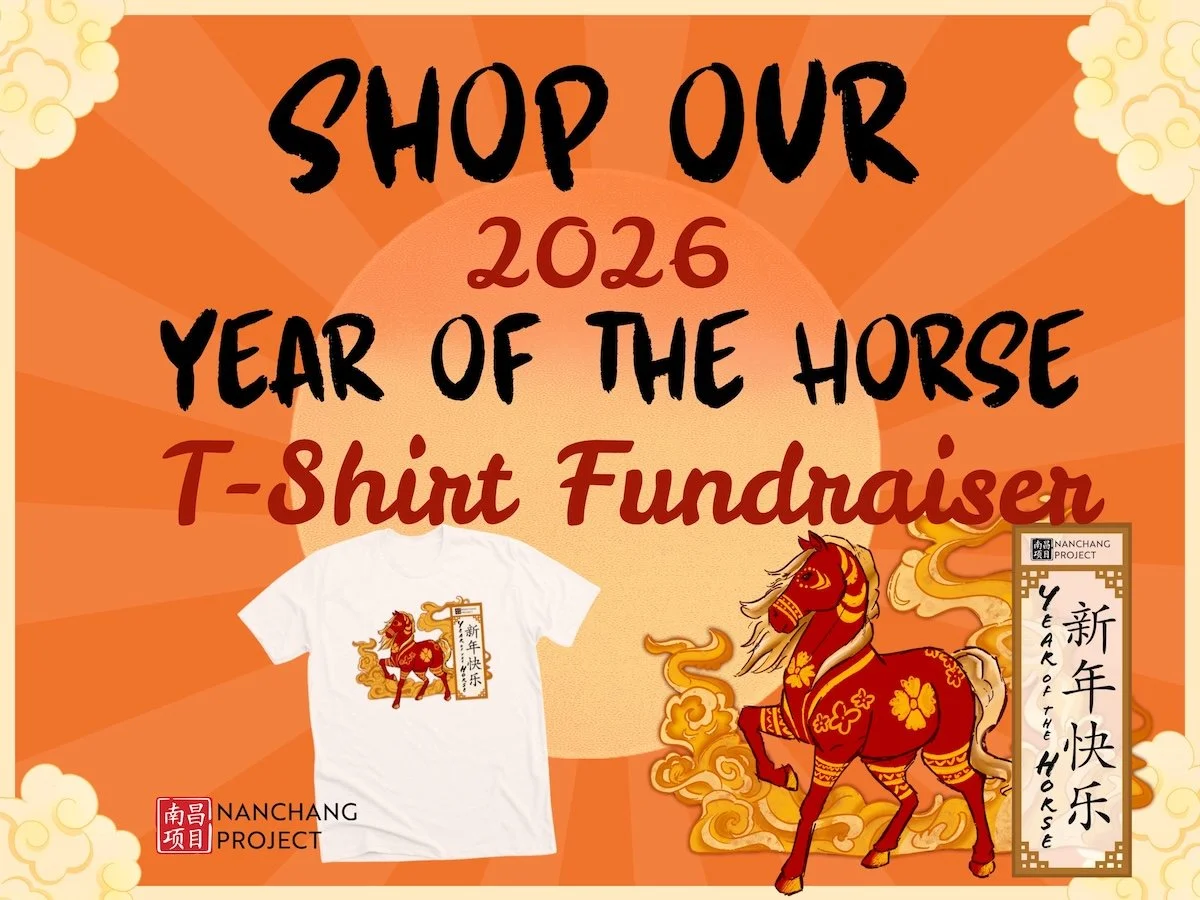
Celebrate the Year of the Horse
Join us in celebrating the Year of the Horse. Your purchase supports our mission to reconnect adoptees with their roots in China.